Professional Service

Problems &
Solutions

Diagnosis, repair and long-term solutions for chimney, furnace and water-related issues to keep homes safe, efficient and protected throughout the surrounding service area.

Trusted local service since 1978

Chimney Relining Education

What You Don’t See Inside Your Chimney Matters Most

Many chimneys appear perfectly fine on the outside, but hidden inside there may be cracked liners, deteriorated flue tiles, moisture damage, and dangerous pathways for heat, smoke, and carbon monoxide to enter the home.

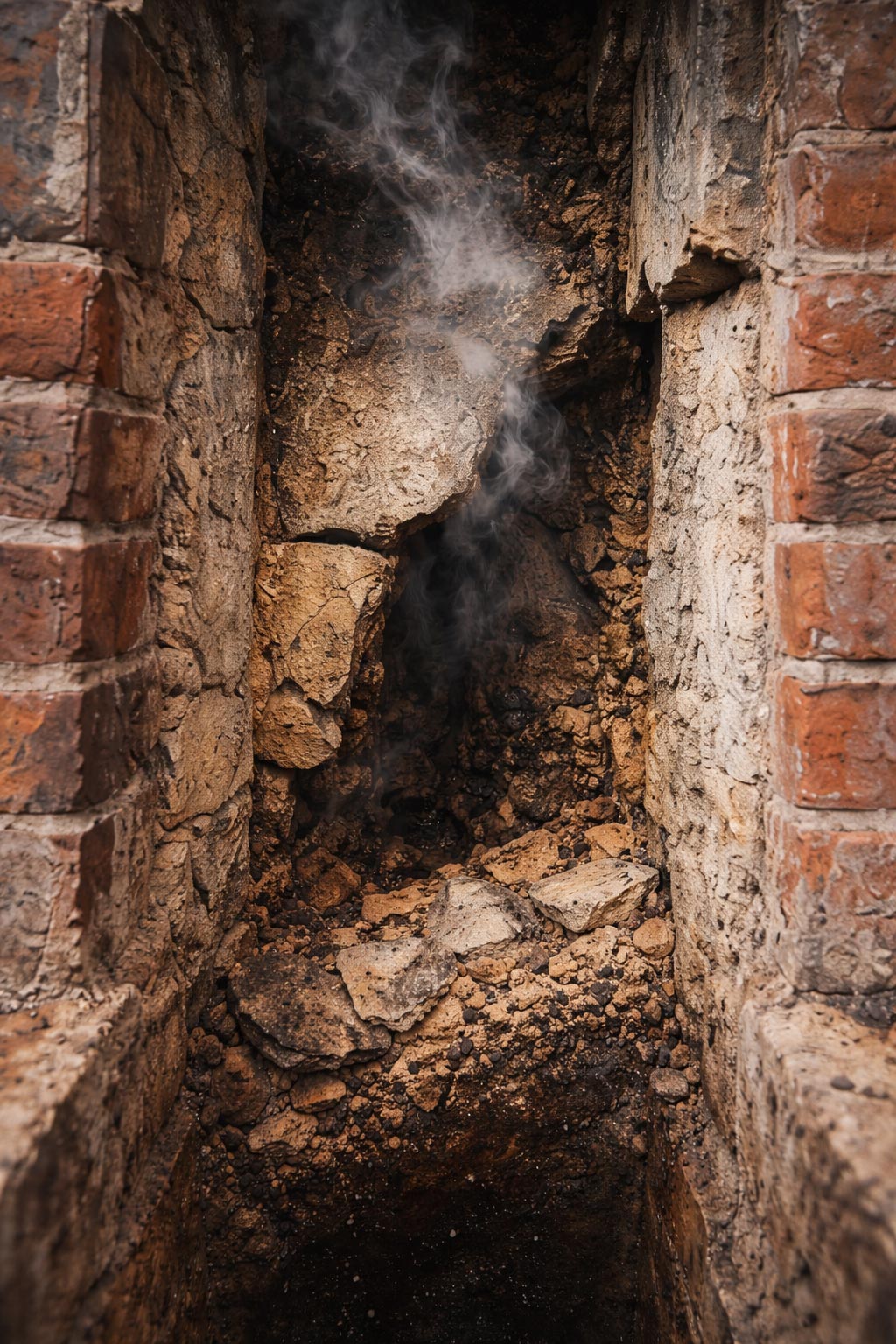
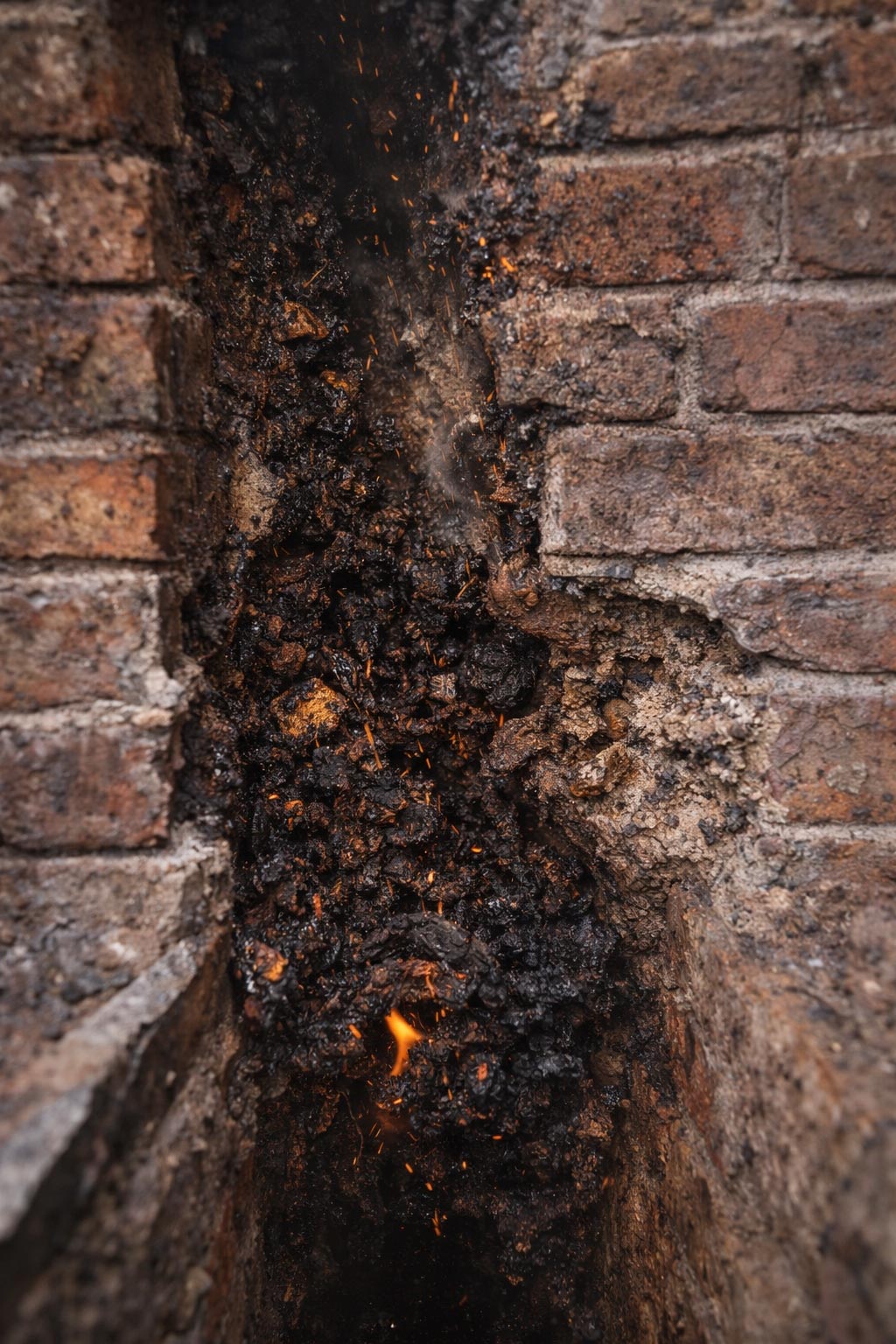
Damaged chimney liner and heavy creosote buildup inside a chimney flue
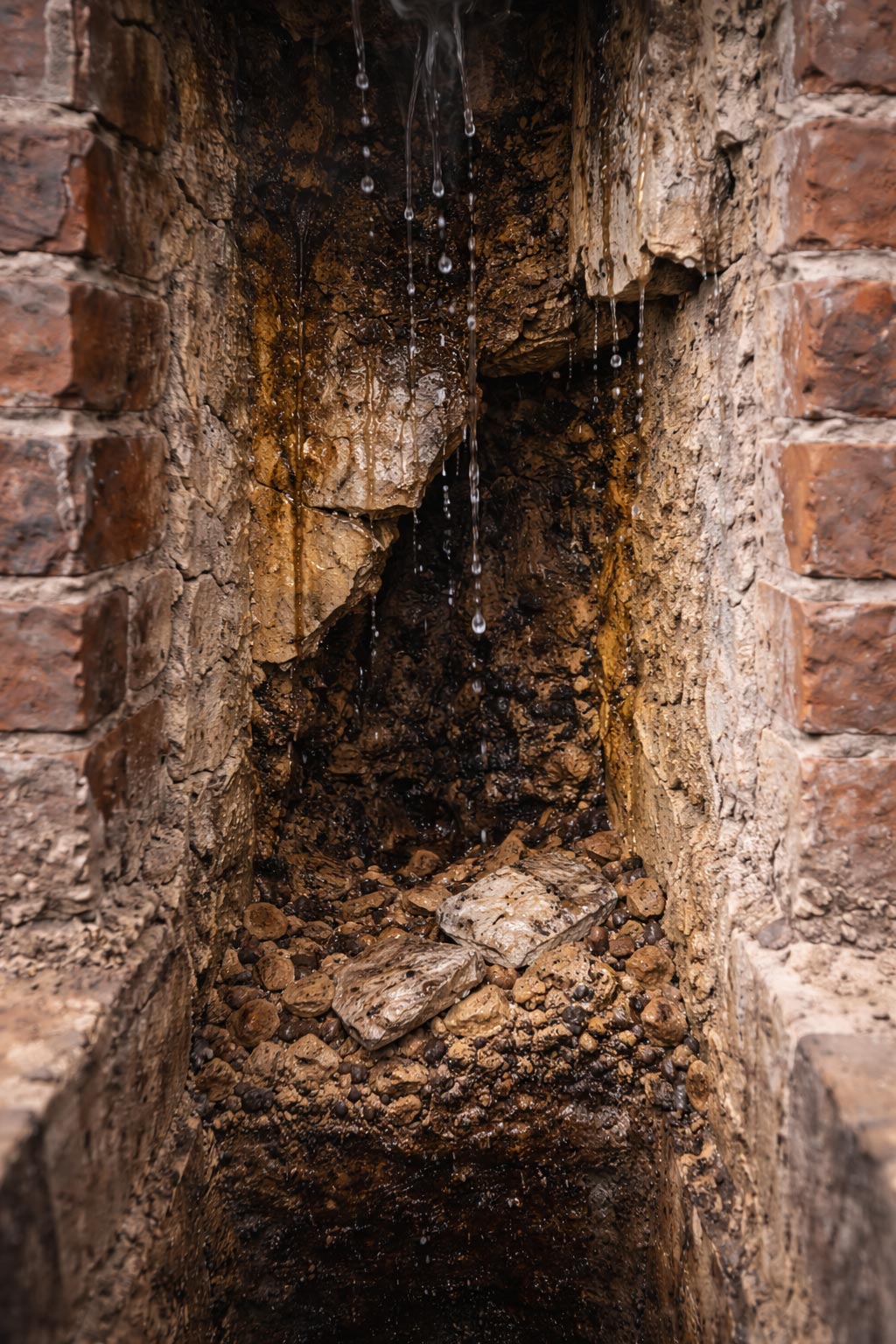
Cracked and deteriorated interior chimney flue showing hidden structural problems
Moisture damage and interior chimney deterioration affecting the flue system

Fire Risk

In flues serving fireplaces or woodstoves, cracked or missing liner sections and creosote buildup can create serious fire hazards.

  • Cracked or missing flue liner
  • Creosote buildup inside the chimney
  • Excessive heat transfer through masonry
  • Greater risk of chimney fire spreading into the home

Carbon Monoxide Risk

On the furnace side, cracked tiles and deteriorated flue components can allow deadly gases to escape through even the smallest openings.

  • Flue gases leaking through small cracks
  • Deteriorated or missing flue tiles
  • Possible blockage from collapsing liner material
  • Dangerous fumes entering living spaces

Moisture Damage

Modern heating systems can create moisture inside the flue, and that condensation can gradually break down the interior of a masonry chimney.

  • Water vapor condensing inside the flue
  • Acidic moisture attacking masonry surfaces
  • Deterioration of mortar joints and liner walls
  • Long-term structural chimney damage


What’s Happening Inside Your Chimney

Modern heating systems have changed how chimneys behave. While more efficient, they also introduce new problems inside the flue that can lead to serious deterioration over time.

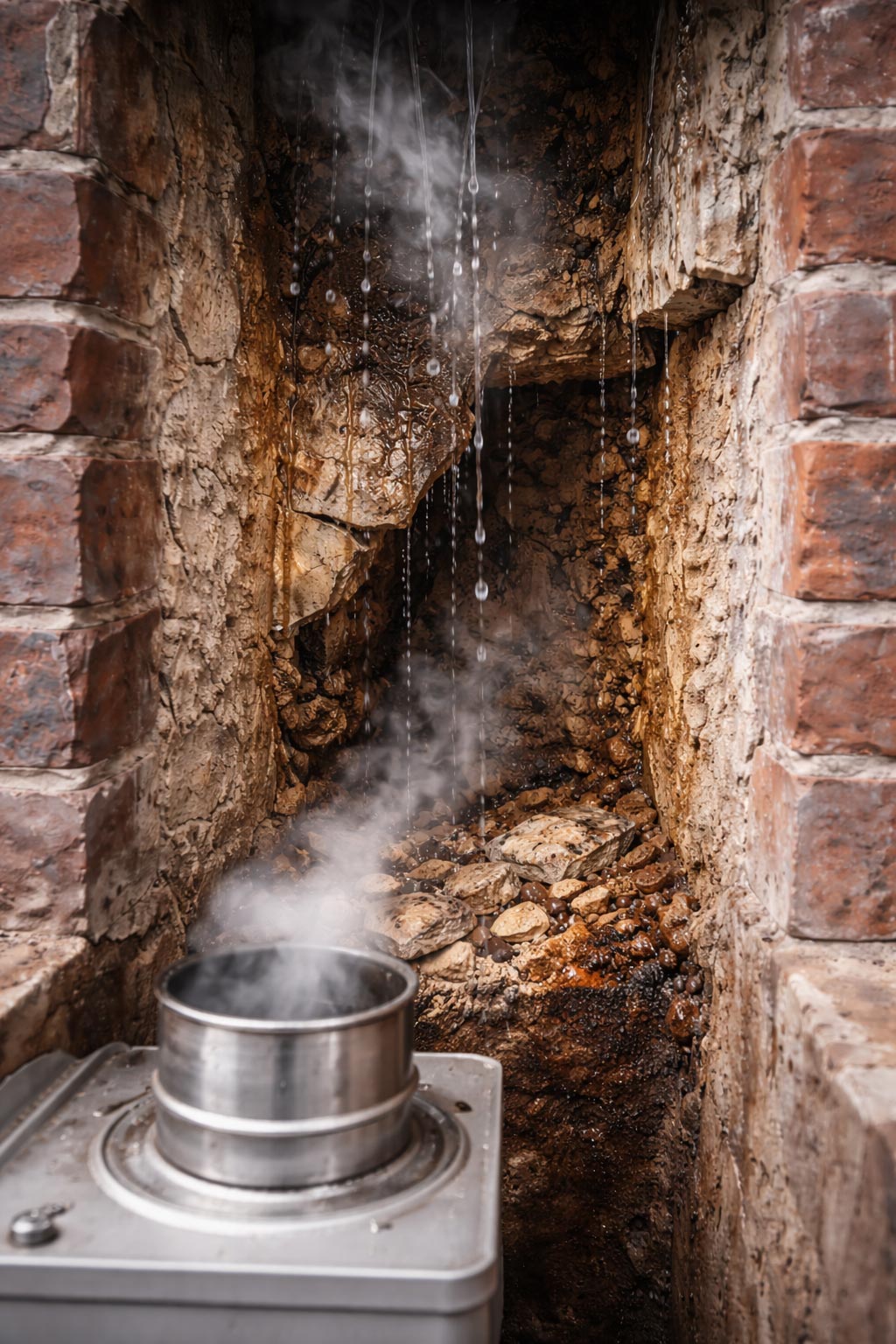
Gas appliance chimney flue showing moisture condensation and interior damage

What Causes Water in a Gas Appliance Flue?

Modern high-efficiency gas heating systems extract more heat during combustion and send less heat up the chimney. While efficient, this creates a new problem inside the flue.

  • Burning gas produces large amounts of water vapor
  • Lower flue temperatures reduce upward draft
  • Water vapor condenses on chimney walls
  • Moisture becomes acidic and attacks masonry
  • Interior chimney surfaces begin to deteriorate

Over time, this constant exposure to moisture can weaken the structure of the chimney and create pathways for gases and heat to escape.

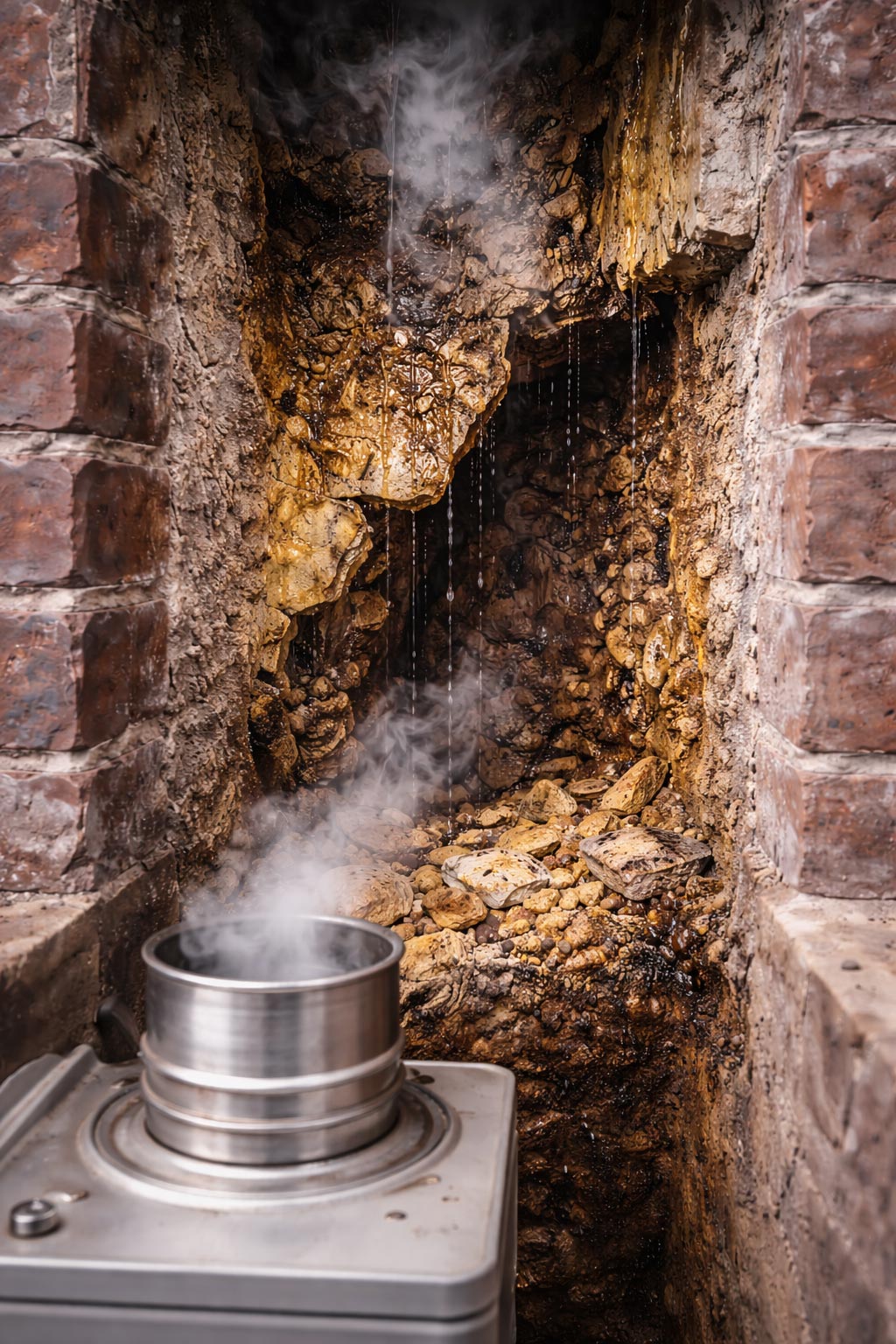
Oil furnace chimney flue showing sulfur corrosion and internal chimney damage

What Problems Come from Oil Appliance Flues?

Oil-burning appliances introduce a different kind of damage inside the chimney—one that is highly corrosive and often goes unnoticed until significant deterioration has occurred.

  • Oil combustion creates sulfur-based soot
  • Soot combines with moisture in the flue
  • Forms corrosive acidic compounds
  • Erodes flue tiles and mortar joints
  • Creates voids and weakens chimney structure

As this damage progresses, debris can accumulate and restrict airflow, increasing the risk of dangerous gases entering the home.


What Can Happen When Damage Is Ignored?

Chimney deterioration is more than a maintenance issue. As interior damage worsens, it can create dangerous pathways for heat, smoke, and flue gases to escape where they do not belong.

  • Cracks can allow heat to reach combustible parts of the home
  • Deteriorated flue walls can leak harmful gases into living areas
  • Falling debris can partially block proper venting
  • Moisture and acidic compounds can accelerate structural breakdown
  • Problems may continue growing even when the exterior still looks sound

Chimney Hazards

Chimney Fires
Carbon Monoxide Leaks
Blocked Ventilation

Why Relining Is the Recommended Solution

A properly installed chimney liner restores a safe passage for exhaust, improves venting performance, and protects the masonry structure from ongoing internal deterioration.

  • Creates a dedicated venting path for appliance gases
  • Helps reduce moisture-related chimney damage
  • Protects surrounding masonry from corrosive by-products
  • Improves overall chimney safety and performance
  • Provides a practical alternative to full chimney rebuilding in many cases

Professional Chimney Relining

The Right Solution Starts With the Right Inspection

Every chimney system is different. The size of the flue, the type of appliance, the condition of the chimney, and the fuel being used all play a role in choosing the correct liner system. A proper inspection helps identify the source of the problem and the safest path forward.

Evaluate Existing Damage

We assess the condition of the flue and surrounding masonry to determine whether relining is necessary and what type of liner is best suited.

Match the Proper Liner

Different fuels and appliances require different relining materials. Choosing the wrong system can lead to poor draft, moisture problems, or premature failure.

Restore Safety & Performance

A properly sized and professionally installed liner helps improve draft, protect the chimney structure, and reduce fire and carbon monoxide risks.

Signs It May Be Time to Reline

  • Visible deterioration inside the flue
  • Poor draft or smoke entering the home
  • Excess moisture or staining on masonry
  • Appliance change requiring a resized liner
  • Evidence of heat or corrosive damage
  • Concerns found during inspection

When a liner fails, the issue is not just efficiency — it can affect the safety of the entire chimney system.

Need Answers About Your Chimney Liner?

Protect Your Home With a Properly Sized, Professionally Installed Liner

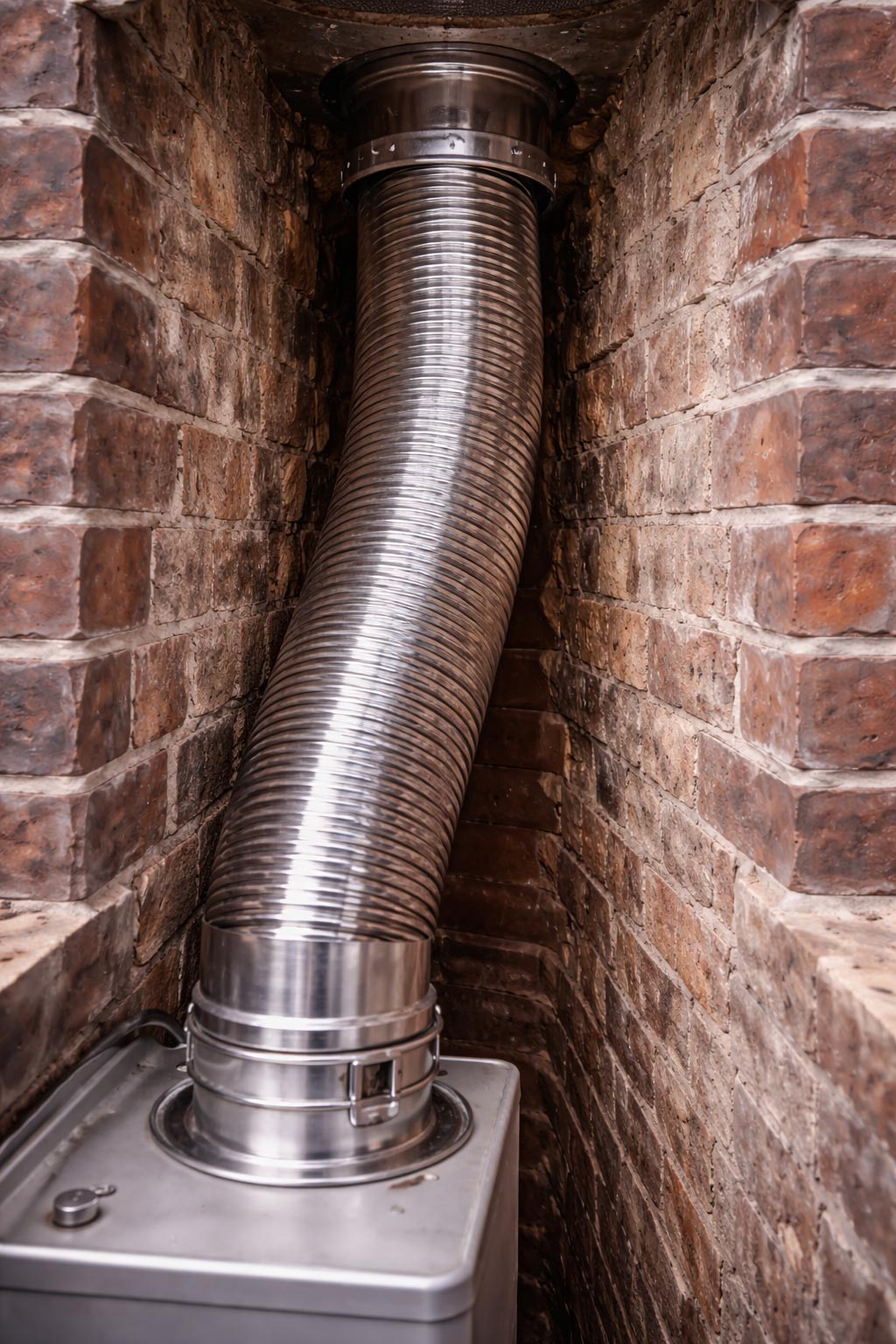
A damaged, undersized, or deteriorated flue liner can affect draft, reduce appliance performance, and create serious safety concerns. Whether your chimney serves a fireplace, furnace, boiler, stove, or insert, the right relining system helps restore safe venting and long-term protection.

If you are experiencing draft issues, moisture damage, visible flue deterioration, or need a liner to match a new appliance, Chimney Sweep Enterprises can inspect the system and recommend the right solution for your home.

What We Help With

  • Chimney liner inspections
  • Stainless steel liner systems
  • Fireplace and appliance relining
  • Draft and venting correction
  • Moisture and flue damage evaluation
  • Safer, code-conscious venting solutions